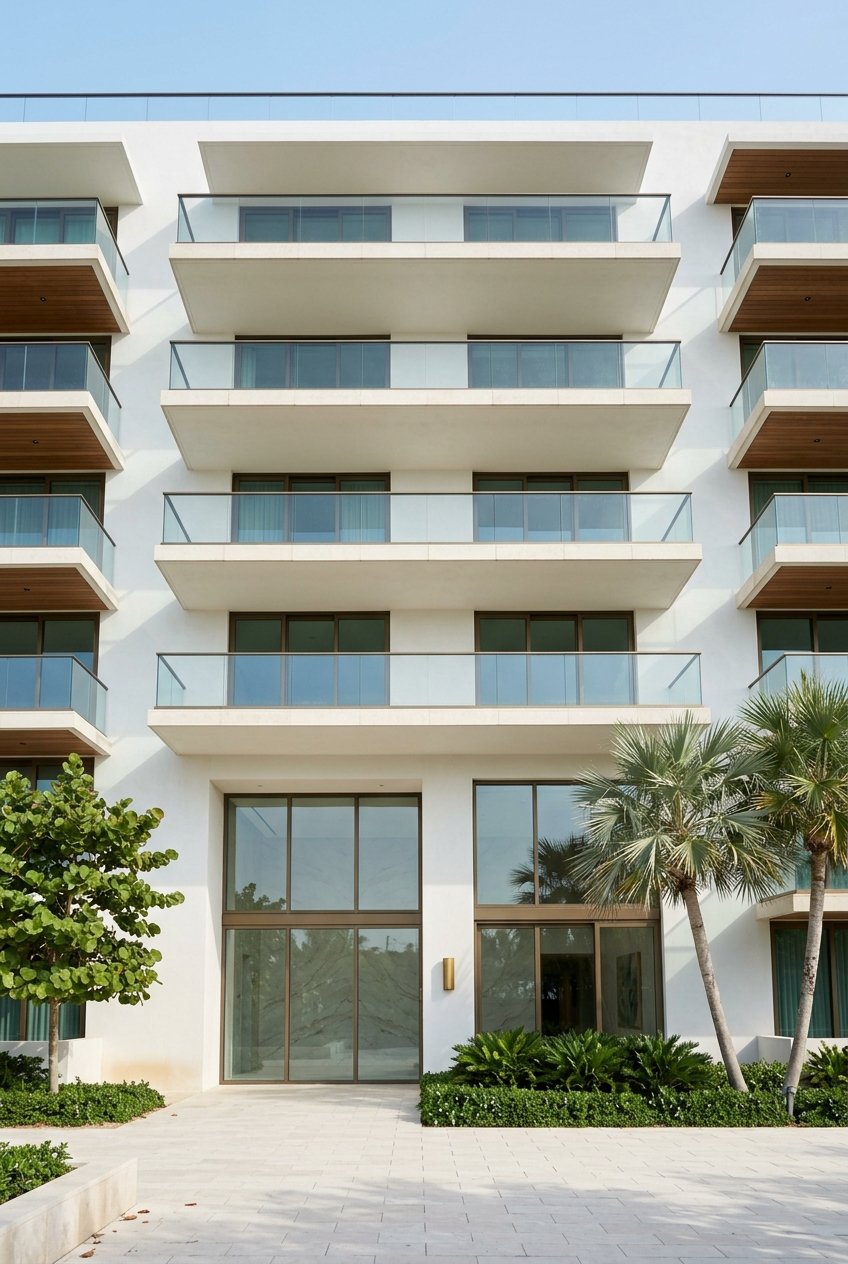
If you are deciding between a condo and a villa on Nassau or Paradise Island, the choice is rarely as simple as apartment versus house. In this market, many properties blur the line, especially inside resort settings where residential-style suites and villa residences can both offer beach access, marina convenience, and hospitality-driven amenities. The real question is how you want to live, how much privacy you want, and whether the property is for personal use, rental income, or both. Let’s dive in.
Why this choice looks different here
On Paradise Island, real estate is closely tied to the lifestyle around it. Beaches, marinas, dining, shopping, and golf are not just nearby perks. They are often part of the day-to-day ownership experience, especially in resort-linked communities. Official destination resources highlight features like Paradise, Cabbage, and Cove beaches, marina access, shopping, dining, and golf as core parts of the island experience.
That is why the condo-versus-villa decision here often comes down to density, privacy, and built-in resort infrastructure. A condo may give you easier access to shared amenities and simpler lock-and-leave use. A villa may give you more room to spread out and a more self-contained lifestyle.
What condos usually offer
On Paradise Island, condo-style options often show up as residential suites, studios, or units within resort developments. For example, The Reef Atlantis features residential-style suites and studios with kitchenettes or full kitchens, private balconies, a private pool, and access to a private stretch of Paradise Beach.
For many buyers, that setup feels convenient and efficient. You may have less hands-on upkeep, easier arrival and departure, and quick access to beach, pool, dining, and marina infrastructure. If you want a second home that works well for shorter stays, condos often fit that goal.
Condo-like residences can also appeal if you want a more connected setting. Shared amenities and a central management structure may reduce the amount of day-to-day oversight required, although the exact responsibilities depend on the specific property and governing documents.
What villas usually offer
Villas on Paradise Island are typically defined by more space and more privacy. Published examples in the local market emphasize larger living areas, multiple bedrooms, full kitchens, laundry, and private outdoor features. That can create a much more residential feel for buyers who want their property to function as a private retreat.
Examples in the market support that pattern. Harborside has published villa inventory with spacious living and dining areas, multiple bedrooms, full kitchens, and laundry services. The Ocean Club villa residences highlight ample living space and private pools, while Paradise Island Beach Club markets two-bedroom villas with full kitchens, laundry, barbecue grills, bicycles, and Wi-Fi.
If you expect to host guests, stay for longer stretches, or value a calmer day-to-day environment, a villa may feel like the better fit. In many cases, you are trading some ease and shared amenity density for more private square footage and a more independent routine.
Start with your lifestyle goals
Before you compare floor plans, start with how you plan to use the property. The label on the listing matters less than your actual ownership goals.
Ask yourself:
- Do you want a property that is easy to lock and leave?
- Do you care most about privacy and space?
- Will you spend long periods on the island or shorter visits throughout the year?
- Do you want walkable access to resort amenities, marina services, shopping, and dining?
- Are you comfortable managing more maintenance if it gives you more independence?
If your priority is convenience, a condo may be the simpler answer. If your priority is privacy and room to live more fully on property, a villa may make more sense.
Compare maintenance and ownership effort
One of the biggest practical differences is upkeep. In general, condos tend to reduce hands-on maintenance because common areas and building systems are centrally managed. Villas often involve more owner responsibility simply because they usually include more private interior and exterior space, and sometimes private pools.
That does not mean one option is always cheaper or easier. It means you should look carefully at the operating structure of each property. Management arrangements, service levels, and association rules can vary widely from one residence to another.
You should also factor in ongoing charges. According to the Bahamas Department of Inland Revenue, condominium and homeowners association fees are treated as VAT-able management charges, and the current standard VAT rate is 10%, as outlined in the Land and Property VAT guide.
Think about privacy versus convenience
This is often the emotional heart of the decision. Villas usually offer more separation from neighbors, more generous layouts, and stronger privacy features such as private pools or dedicated outdoor areas. Condo residences usually come with a denser setting and more shared spaces.
Neither choice is better across the board. If you love stepping out and having beach, pool, dining, spa, and marina amenities close at hand, a condo or resort residence may feel ideal. If you want your time on Paradise Island to feel quieter and more self-contained, a villa may be the stronger match.
If rental income matters, focus on use
If you are also thinking about income, do not stop at condo versus villa. The more important question is how the property will be rented.
According to the Bahamas Department of Inland Revenue, rentals of a dwelling for periods normally exceeding 45 days are exempt from VAT, while short-term rentals of 45 days or less are taxable. The same guidance notes that where a condo is placed in a rental pool, the administrator is generally responsible for VAT, though the owner can still be held liable if the administrator does not comply. You can review that in the official VAT guide for land and property.
That makes your planned use critical. A property used only as a personal retreat may have a very different compliance profile from one used for short-term stays or a resort rental program. Some condo-hotel or rental-pool structures can also trigger different tax treatment, including Condo-Hotel Tax.
For short-term vacation rentals, the Department of Inland Revenue says those properties must be registered. Non-Bahamian second-home owners are asked to ensure the property is lodged with the Registrar General, stamped for VAT, declared with DIR, and updated for improvements through the official vacation rental guidance.
Understand tax rules before you decide
Real property tax applies to both condos and villas, so this should be part of your buying analysis. The Department of Inland Revenue states that tax is due by March 31, a 10% discount is available if paid in full by March 31, and a 5% surcharge applies if tax remains unpaid after December 31. Current owner-occupied rules also include an exemption on the first $300,000 of value, then 0.625% on the next $200,000 and 1% above $500,000, with updated occupancy requirements noted in the official real property tax FAQs.
If the property will be used as a rental, do not assume it will be taxed like a personal residence. DIR guidance groups commercial properties and foreign-owned rental properties together for real property tax purposes in certain cases, and VAT treatment depends on how the property is used.
If you plan to operate a vacation rental, you should also confirm whether your setup creates a business licence obligation. The current business licence guidance says any person who owns or operates a business in The Bahamas must apply for and obtain a business licence.
Foreign buyers should review structure carefully
For international buyers, the legal structure of the purchase matters. The International Persons Landholding Act provides that foreign buyers can acquire condos and property intended for use as an owner-occupied dwelling by registering the acquisition with the Investments Board, while other land acquisitions may require a permit. You can review the law directly in the International Persons Landholding Act.
In practical terms, that means a villa purchase may require a closer legal review if the transaction involves a broader land interest rather than a straightforward condominium ownership structure. This is one reason buyers benefit from coordinated guidance early in the process.
A simple way to choose
If you are torn between the two, use this framework.
A condo may be the better fit if you want:
- Easier lock-and-leave ownership
- More built-in access to shared amenities
- A resort-linked lifestyle
- Less day-to-day upkeep
- A property that may align with shorter, more frequent stays
A villa may be the better fit if you want:
- More privacy
- Larger living areas and more bedrooms
- Outdoor space that feels more personal
- A home that works for longer stays or hosting
- A more self-contained ownership experience
In Paradise Island, many listings sit somewhere in between. Some condos live like residences, and some villas come with strong resort access and management support. That is why the smartest choice is usually the one that matches your intended use, not just the property label.
When you are ready to compare specific options, a clear review of lifestyle fit, ownership costs, rental structure, and tax exposure can save you time and prevent expensive surprises. If you want a tailored strategy for Nassau or Paradise Island, My Bahamas Realtor Limited can help you evaluate properties with the level of care and coordination that island ownership deserves.
FAQs
What is the main difference between a condo and a villa on Paradise Island?
- On Paradise Island, condos usually emphasize easier ownership and shared amenities, while villas usually emphasize more space, more privacy, and a more self-contained residential feel.
Which property type is easier to maintain in Nassau and Paradise Island?
- In general, condos are often easier to maintain because buildings and common areas are centrally managed, while villas usually involve more owner oversight due to larger private interiors and outdoor areas.
How do rental rules differ for condos and villas in The Bahamas?
- The bigger issue is not the label alone but how the property is rented, since short-term rentals of 45 days or less are taxable for VAT purposes and certain condo-hotel or rental-pool arrangements can trigger added compliance and tax considerations.
Can a foreign buyer purchase a condo or villa in The Bahamas?
- Yes, but the legal structure matters, because foreign buyers can register acquisitions of condos and owner-occupied dwellings with the Investments Board, while other land acquisitions may require a permit under the applicable law.
What taxes should buyers consider for Nassau and Paradise Island property?
- Buyers should review real property tax, VAT on applicable management charges, possible VAT on short-term rentals, and any condo-hotel or business-licence obligations tied to the way the property will be used.
Is a condo or villa better for a part-time second home on Paradise Island?
- If you want a simpler lock-and-leave setup with strong amenity access, a condo may be a better fit, while a villa may suit you better if you want more privacy, more room, and longer stays.