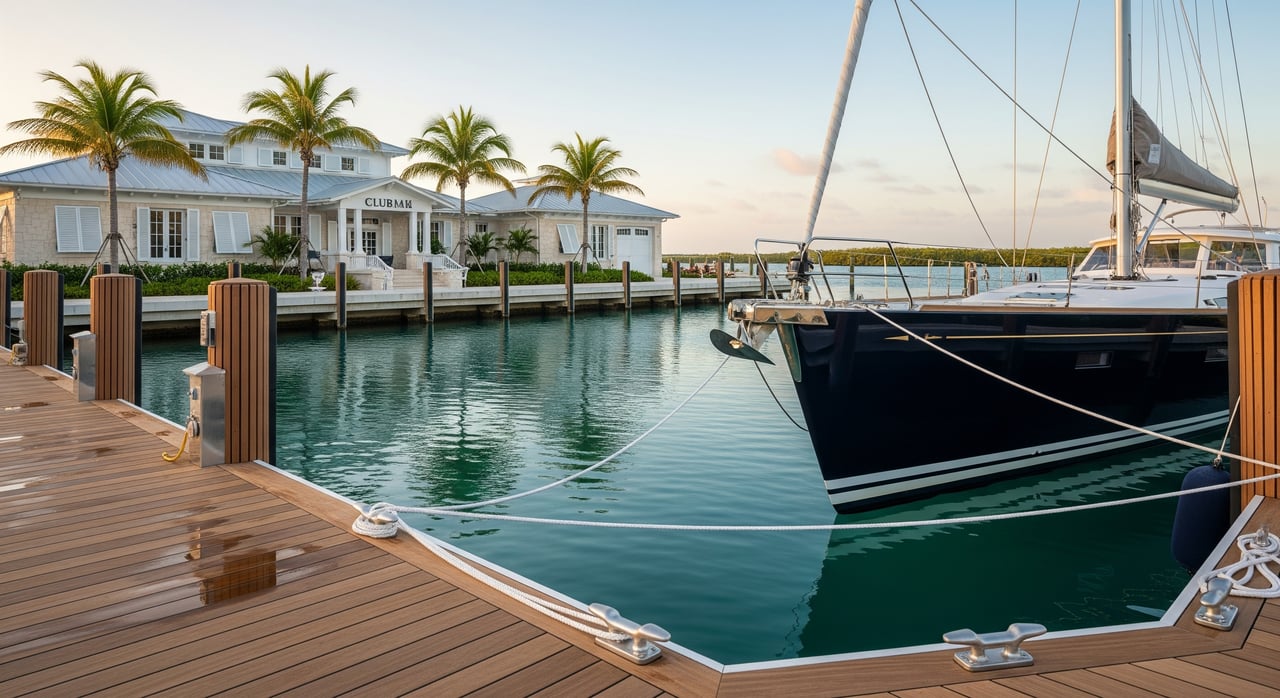
Bringing your boat to the Abacos is part of the lifestyle. If you own at the Abaco Club, you likely want a reliable berth close to Winding Bay, plus access to fuel, repairs, and a solid hurricane plan. Marsh Harbour is the marine hub of Central Abaco, and it offers the widest range of options. In this guide, you’ll compare berthing types, key services, hurricane-readiness, rules and permits, and smart next steps so you can secure the right setup with confidence. Let’s dive in.
Why Marsh Harbour works for Abaco Club owners
Marsh Harbour serves as Central Abaco’s commercial and maritime center. You get provisioning, fuel, repair services, and access to Customs and Immigration in one place. For many Abaco Club owners, it is the practical base for short stays, seasonal mooring, haul-out, or pre-passage prep.
Seasonal demand matters. Peak Bahamas cruising typically runs from November through April. Availability, service levels, and yard capacity can shift with seasonality and post-storm recovery cycles. You should verify current conditions directly with local providers before you finalize plans.
Berthing options at a glance
Matching your vessel, usage, and risk tolerance to the right option is key. Here is what to expect in Marsh Harbour.
Wet slips (marina berths)
Wet slips give you individual dock access, usually with shore power and potable water. Terms include transient/nightly, weekly or seasonal, and annual leases. The pros are convenience, on-site services, security, and utilities. The tradeoffs are higher cost, limited availability in peak season, and storm exposure unless the marina has protective features.
Mooring buoys (swing moorings)
Moorings use fixed anchors such as concrete blocks, mushrooms, or helix systems. They are often less expensive than slips and work well for seasonal stays. Expect limited services. There is no shore power, and you may feel more swing or swell depending on conditions. Locations may be restricted to protect seagrass and coral.
Private docks
Some owners prefer private docks tied to nearby properties. These can be convenient if you spend extended time at your home. They can also involve additional legal, permitting, or insurance steps, and space for visiting vessels may be limited.
Public anchorages
Anchoring is a short-term option for transits or quick stopovers. You need to follow local anchoring rules and avoid sensitive areas. The benefit is low cost. The tradeoffs include limited amenities and security. Improper anchoring can damage seagrass or corals, which are protected in many Bahamian waters.
Dry storage and haul-out yards
Haul-out is useful for hurricane season, maintenance, or longer layups. A yard with a travel lift or similar equipment can store your boat on the hard for repairs or storm protection. Capacity can be limited. Early booking is smart, especially before storm season.
Services and amenities to prioritize
Before you commit to a slip, mooring, or yard, align your needs with the services offered.
Fuel, shore power, and water
Confirm fuel type (diesel or gas), fueling hours, and procedures. Match shore power specs to your boat’s requirements, including amps and phase. Ask about dock utility metering and how you’ll be billed. Check potable water availability and quality.
Pump-out and waste handling
Ask whether pump-out is available and how sewage is handled. Follow marina or port policies to protect local waters.
Repairs, haul-out, and parts access
Ask about lift tonnage limits and scheduling. Find out what on-site or nearby services are offered, such as engine work, rigging, fiberglass, painting, welding, and composite repairs. A nearby chandlery or parts supply can save time during projects.
Security and connectivity
Review security features like gated docks, night watch, and cameras. Ask about Wi‑Fi and cell reliability on the docks and in the yard if you plan to work from the boat.
Customs, provisioning, and logistics
If you are entering or exiting the Bahamas, confirm clearance steps for private vessels and whether the marina can provide guidance. Check proximity to grocery stores, parts suppliers, and transportation to and from the Abaco Club.
Hurricane-season readiness
The Abacos are hurricane-prone, so you should establish a clear, written plan well before storm season. Your marina or yard should be part of that plan.
Evaluate your plan in advance
Ask what hurricane-specific options are available, such as guaranteed haul-out slots, relocation support to sheltered anchorages, and extra dockline tie-up protocols. Some marinas coordinate professional relocation services during threatening weather. Confirm the plan in writing.
Yard capacity and policies
Haul-out is a common strategy for many yachts during storms. Ask about lift capacity, blocking equipment, and yard space. Confirm any surcharges or thresholds for emergency haul-outs. Understand refund or credit policies if infrastructure is damaged during a storm.
Mooring design basics
If you plan to use a mooring, ask who installed it and what anchor system is used. Helix and mushroom anchors have different holding power. Bottom type and expected loads matter. Seek professional assessment to match the mooring design to local conditions. Add redundancy to your approach with spare lines, chafe gear, and fenders.
Insurance coordination
Some insurance policies require haul-out when wind forecasts cross a threshold. Many marinas require proof of hull and liability coverage. Align your hurricane plan with both marina policies and your insurer’s conditions.
Rules, permits, and environmental protections
You should confirm requirements with Bahamian authorities and local port officials before committing to long-term plans.
Customs and Immigration
Private pleasure craft must follow Bahamas Customs and Immigration clearance rules when entering, leaving, or staying for extended periods. Clearance procedures can differ based on vessel type and use. Confirm the latest steps and documentation you will need.
Port and mooring regulations
Local port authorities may designate anchorages, manage mooring fields, and require permits for long-term moorings. If you plan to install a private mooring or use one year-round, ask about permissions, fees, and maintenance standards.
Environmental protections
Seagrass beds and coral reefs are protected in many waters around the Bahamas. Anchoring may be prohibited in sensitive zones. Approved mooring types and locations can reduce environmental impact and prevent dragging or damage. Always follow local guidance to protect the marine environment.
Dock and construction permits
If you are considering a private dock, you may need permits and environmental approvals. Work with local authorities and qualified professionals to ensure compliance.
Cost, contracts, and availability
Costs vary based on boat size, season, and services. Rather than chasing a single rate, focus on how pricing is structured and what is included.
Rate structures and fees
Ask for transient, seasonal, and annual rate sheets. Clarify how shore power and water are billed, and whether there are fuel surcharges. Confirm any deposits, move-in or move-out fees, labor charges for hauling, daily yard rates, or hurricane surcharges.
Contracts and requirements
Request the marina’s standard agreement and hurricane policy. Look for cancellation and renewal terms, long-term discounts, and whether subletting is allowed. Confirm insurance minimums, required vessel documentation, waste-disposal rules, dinghy storage, guest policies, and pet rules. Consider a broker or attorney review for long-term arrangements.
Owner evaluation checklist
Use this quick checklist to compare options in Marsh Harbour:
- Vessel specs: length, beam, draft, and mast height vs any bridge clearance
- Availability: desired dates for transient, seasonal, or annual stays
- Haul-out: lift tonnage limits and scheduling flexibility
- Fuel and hours: diesel or gas, fueling days and procedures
- Utilities: shore power amps/phase, water availability, utility metering
- Environmental: pump-out and sewage handling practices
- Repairs: on-site or nearby services and parts access
- Clearance: proximity to Customs and Immigration guidance
- Hurricane plan: written policies, haul-out options, relocation support
- Security: gated access, cameras, and night watch
- Insurance: coverage minimums and marina policy requirements
- Logistics: travel time and transport options to your Abaco Club property
- References: speak with slip-holders for service reliability
- Contracts: review long-term agreements before signing
How to secure a berth: step by step
Here is a simple process to move from research to confirmed berthing.
- Define your needs. List your vessel specs, trip dates, and whether you want a slip, mooring, or dry storage.
- Shortlist options. Identify several marinas or yards in Marsh Harbour that match your boat and timing.
- Request documents. Ask for current rate sheets, availability, insurance requirements, hurricane policies, and lift capacity if relevant.
- Confirm services. Verify fuel type, power compatibility, water, pump-out, security, repairs, and provisioning access.
- Align on hurricane readiness. Decide whether you will haul out, relocate to a sheltered anchorage, or double-tie in a protected berth. Get the plan in writing.
- Check rules and permits. If you plan a private dock or long-term mooring, consult local port officials and environmental authorities for approvals.
- Review the contract. Confirm billing practices, cancellation terms, and any seasonal surcharges. Ask questions before you sign.
- Arrange transport. Line up taxi or car rental for easy access between Marsh Harbour and your Abaco Club residence.
Smart planning tips for Abaco Club owners
- Book early for peak season. Slip and yard availability tightens from November through April.
- Build redundancy into your hurricane plan. Pre-arranged haul-out slots and backup mooring options add resilience.
- Keep a storm checklist. Include spare lines, chafe protection, fenders, sail and canvas removal, and electronics storage.
- Coordinate with professionals. Use certified contractors for mooring installation, surveys, and major repairs.
- Stay current on rules. Regulations and service capacity can change after storms or during recovery work. Verify details before you move.
Work with a local, owner-first advisor
A clear berthing strategy protects your boat and your time in the islands. If you are buying or selling in Abaco, or if you want property management and concierge support that coordinates seamlessly with your boating plans, you can lean on a trusted local team. From introductions to marinas and yards to post-sale coordination and vetted service referrals, you do not have to navigate this alone.
Ready to align your Abaco property and boating strategy? Connect with My Bahamas Realtor Limited for a private consultation and owner-focused guidance.
FAQs
Are long-term slips available in Marsh Harbour?
- Availability varies with season and demand. Contact marinas directly to ask about current openings, annual leases, and waitlists.
Can I keep my boat on a mooring year-round in Marsh Harbour?
- Often possible, but confirm local mooring rules, environmental restrictions, hurricane-season risk, and insurance requirements before committing.
Is hauling out the best hurricane strategy for my yacht in the Abacos?
- For many vessels, dry storage provides the most protection, but it depends on yard capacity, timing, and your insurer’s requirements. Book early.
How do I handle Customs and Immigration if I berth in Marsh Harbour?
- Follow Bahamas Customs and Immigration procedures for private pleasure craft. Some marinas provide guidance, but always confirm current rules.
What repair services can I expect near Marsh Harbour?
- You can typically access engine, rigging, fiberglass, painting, and general mechanical services. For major projects, plan ahead and schedule parts deliveries.
Who is liable for storm damage to a vessel tied in a marina?
- Liability depends on your marina contract and your insurance. Many marinas disclaim extreme-weather liability, so keep coverage current and documented.