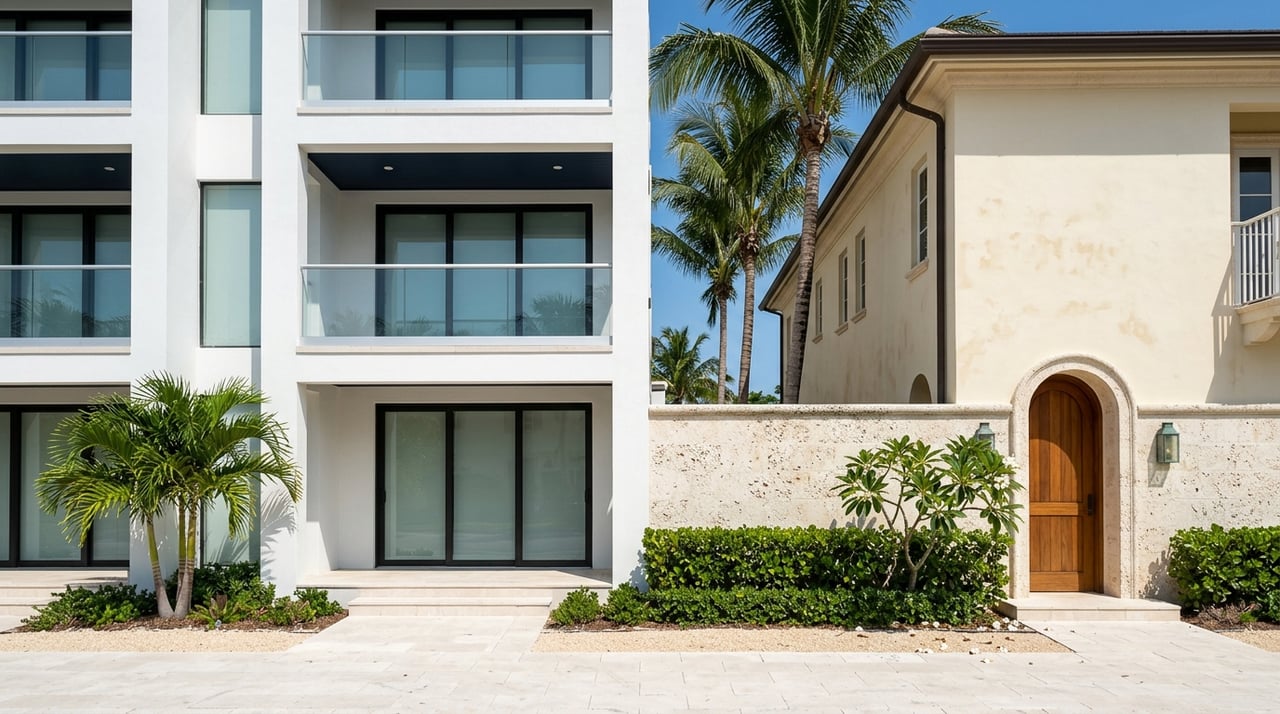
Choosing between a brand-new residence and a resale in Nassau & Paradise Island is not just about age or finishes. It is about how you want to live, how soon you want to close, and how much certainty you want before you commit. If you are weighing Paradise Island options, this guide will help you compare lifestyle, timing, costs, and ownership considerations so you can move forward with more clarity. Let’s dive in.
Paradise Island Buyer Context
Paradise Island sits within the broader Nassau & Paradise Island market, a setting shaped by both resort energy and everyday convenience. Official Bahamas tourism sources describe Nassau and Paradise Island as two islands connected by bridge across Nassau Harbour, with Nassau serving as the capital hub and Paradise Island known for beaches, Atlantis, marinas, and resort activity.
That matters because your decision is rarely just new development versus resale. In many cases, you are also choosing between a more amenity-driven, hospitality-style ownership experience on Paradise Island and a more established residential rhythm tied to the wider Nassau area.
Why New Developments Appeal
New development on Paradise Island often attracts buyers who want a polished, low-maintenance property with a strong lifestyle component. Official tourism listings for Atlantis-related properties show why: buyers are often drawn to beach access, pools, golf, marina access, resort services, and residences with kitchenettes or full kitchens and washer and dryer access.
For many buyers, that combination supports a turnkey ownership model. You may value the ease of arriving to a finished environment with amenities already built into daily life, rather than taking on the upkeep and unknowns that can come with an older property.
Modern Features and Turnkey Use
One of the biggest draws of a new or recently delivered residence is the feel of modern design. You are more likely to find current finishes, contemporary layouts, and hospitality-style amenities that match what many second-home and international buyers want in a luxury island property.
Paradise Island examples like The Reef at Atlantis help illustrate this point. Tourism descriptions note studio to three-bedroom offerings, along with home-style conveniences and access to a luxury residential community environment.
Amenity-Forward Ownership
If your priority is convenience, new development can be compelling. Resort-oriented residences may offer access to services and shared amenities that reduce the burden of hands-on ownership.
That can be especially attractive if you spend only part of the year in the Bahamas or prefer a more lock-and-leave lifestyle. In that case, the value is not just the unit itself, but the broader ownership experience around it.
Where New Developments Need Caution
The strongest case for new development also comes with trade-offs. If you are buying off-plan or pre-completion, you are not buying a fully operating property you can inspect in its final form. You are buying into a delivery timeline, a specification package, and the developer’s ability to complete what has been proposed.
The Bahamas Department of Physical Planning requires development submissions to include concept plans, and approvals can remain valid for only one year unless further action is taken. In practical terms, this means timing, approvals, construction progress, and delivery discipline matter more in an off-plan purchase than they do in a standard resale.
Timing and Delivery Risk
A new development may look ideal on paper, but your move-in date may be less predictable than with a completed property. If your plans depend on immediate occupancy, personal use in a specific season, or near-term income strategy, delays can become a real issue.
This does not mean you should avoid new development. It means you should go in with a clear understanding that future delivery is part of the investment decision.
Buying the Vision
With a completed resale, you can walk through the actual property, assess views, finishes, layout, and surrounding activity. With off-plan product, some of that confidence is replaced by plans, representations, and projected outcomes.
For the right buyer, that trade-off is worth it. But if you want certainty over promises, a resale often feels more comfortable.
Why Resales Still Compete Well
Resales remain attractive in Nassau & Paradise Island because they offer something many buyers value highly: what you see is what you get. You can assess the actual condition of the residence, experience the immediate surroundings, and make a decision based on the property as it exists today.
That can be important in a market where location nuances matter. Nassau & Paradise Island includes a mix of resort, marina, beach, and urban access points, so being able to compare convenience, traffic patterns, and day-to-day feel before you buy can be a major advantage.
Faster Path to Closing
If your goal is to buy and use the property sooner, resales often offer a more direct path. You are typically not waiting for completion, and you can base your timeline on the transaction process rather than the construction schedule.
For buyers relocating, purchasing a second home for near-term use, or wanting to secure a property before a particular travel season, that speed can matter as much as design or amenities.
Better Inspection Certainty
Resales also give you the chance to evaluate the real condition of the asset. You can review how the property has aged, what has been updated, and whether the building or residence aligns with your standards.
That level of visibility lowers some of the uncertainty that comes with buying a property still in planning or construction. In a luxury market, certainty has value.
Which Option Fits Your Goals?
The better choice depends on what matters most to you. New developments usually suit buyers who prioritize modern finishes, hospitality-style amenities, and a turnkey ownership model, even if that means accepting a longer timeline or more delivery-related uncertainty.
Resales usually suit buyers who prioritize immediacy, inspection certainty, and a clearer sense of the surrounding environment before closing. Neither option is universally better. The right choice depends on your lifestyle, timeline, and tolerance for variables.
Ownership Costs Matter in Both Cases
Whether you buy new or resale, the purchase price is only part of the financial picture. In the Bahamas, transaction costs and annual carrying costs can vary based on the property type, ownership structure, and buyer status.
That is why serious buyers should look at the full ownership profile early in the process, not just the listing number. This is especially important for international buyers comparing Bahamian ownership with other markets.
Foreign Buyer Rules
Under the International Persons Landholding Act, a non-Bahamian purchasing a condominium or an owner-occupied dwelling must register the acquisition. Other acquisitions may require a permit, and documents must also be recorded with the Registrar General’s Department.
The same Act states that a non-Bahamian homeowner may apply for an annual home owner resident card. If you are buying from abroad, this is one of the reasons local transaction coordination is so important.
Transfer Tax and Transaction Costs
The current Value Added Tax Act reprint shows a 10% rate for real property transfers to a foreign person, while Bahamian individuals and certain Bahamian entities are subject to lower tiered rates. Ministry of Finance guidance also notes that first-home exemptions remain available for Bahamian citizens in qualifying cases.
The Ministry of Finance also states that mortgages, long-term leases, and other real-property transactions can attract VAT, while reconveyances and mortgage discharges carry their own lower rates. The practical takeaway is simple: you should budget beyond the headline purchase price.
Annual Property Tax Classification
Ongoing ownership costs can also shift depending on how the property is classified. The Real Property Tax Act uses different bands for owner-occupied property, residential property, other property, and unimproved land.
The 2025 amendment tightened the owner-occupied definition by adding a 90-day seasonal occupancy threshold. Before you assume future carrying costs, it is wise to confirm how the property is likely to be classified after closing.
Why Local Guidance Makes a Difference
Comparing new development with resale in Paradise Island is not just a style decision. It involves planning timelines, title recording, tax treatment, ownership classification, and, for many international buyers, cross-border coordination.
That is why working with an experienced local adviser can make the process more efficient and far less stressful. When you have one trusted point of contact helping coordinate the moving parts, it becomes easier to compare options on substance rather than guesswork.
For buyers considering luxury residences, branded properties, investment holdings, or other premium opportunities in Nassau & Paradise Island, tailored support matters. A boutique brokerage with local knowledge and concierge-level coordination can help you evaluate fit, timing, and ownership logistics with much more confidence.
If you are weighing new developments against resales in Paradise Island, My Bahamas Realtor Limited can help you compare the options, understand the process, and move forward with a strategy that fits your goals.
FAQs
What is the main difference between new developments and resales in Paradise Island?
- New developments usually emphasize modern finishes, resort-style amenities, and turnkey ownership, while resales usually offer faster occupancy, inspection certainty, and a clearer view of the property’s current condition.
Are off-plan purchases in Paradise Island riskier than resales?
- Off-plan purchases can involve more timing and delivery uncertainty because they depend on planning progress, construction schedules, and final completion, while resales are already built and easier to evaluate in person.
Can foreign buyers purchase property in Nassau and Paradise Island?
- Yes. Under the International Persons Landholding Act, non-Bahamians can purchase Bahamas real estate, but registration or permit requirements may apply depending on the asset.
Do foreign buyers pay different transfer taxes in the Bahamas?
- The current Value Added Tax Act reprint shows a 10% rate for real property transfers to a foreign person, while Bahamian individuals and certain Bahamian entities are subject to lower tiered rates.
Why should buyers confirm property tax classification in the Bahamas?
- Annual carrying costs can vary because the Real Property Tax Act uses different tax bands based on classification, including owner-occupied, residential, other property, and unimproved land.
Is Paradise Island better for amenity-rich ownership than broader Nassau?
- Paradise Island is often associated with beaches, marinas, Atlantis, and resort activity, so it can strongly appeal to buyers who want a lifestyle-forward setting with hospitality-style amenities.