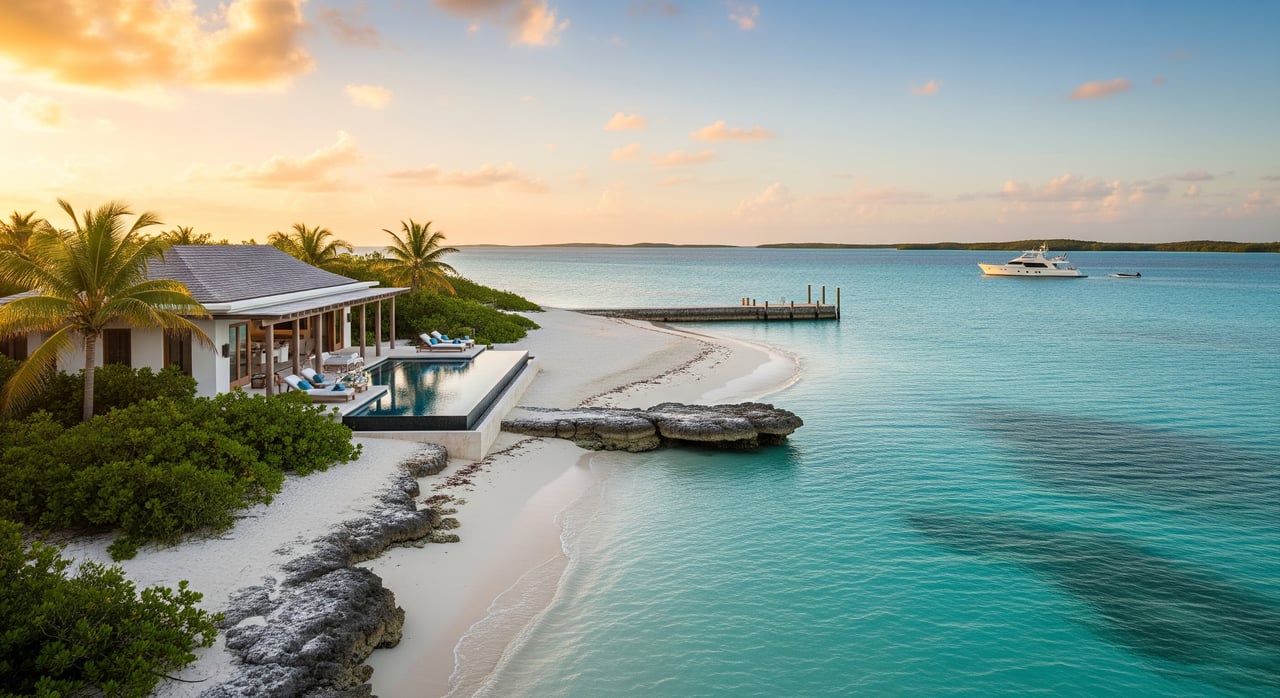
Thinking about acquiring a private island near Georgetown in Great Exuma? The opportunity is extraordinary, but what you can build, where you can place it, and how you power it all comes down to zoning and coastal rules. You want clarity before you commit capital and time. In this introduction, you’ll learn how Exuma zoning works, what practical limits matter most, and what due diligence to complete before you buy. Let’s dive in.
What zoning means on Exuma private islands
Zoning on Great Exuma and the surrounding cays blends traditional land-use categories with strong coastal and marine protections. Your island’s official designation guides the type and scale of any development and the approvals you will need.
Conservation or protected
- Purpose: safeguard habitats and cultural resources.
- Implications: development is highly restricted. Facilities, if allowed, tend to be minimal and low impact. Environmental reviews are common, and approvals often involve conservation bodies.
Low-density residential
- Purpose: private homes and villas.
- Implications: limits on units and building footprint are typical. Bedroom count, wastewater capacity, and potable water supply often drive what is feasible more than raw floor area.
Resort, tourism, or commercial
- Purpose: guest villas, resorts, marina operations.
- Implications: higher scrutiny, added infrastructure requirements, and more complex approvals. Public consultation and conditions tied to economic and environmental performance are common.
Mixed-use or development parcels
- Purpose: combined residential and tourism uses under a master plan.
- Implications: staged approvals, development agreements, and larger infrastructure commitments.
Agricultural or resource
- Purpose: small-scale agriculture or resource activity on larger islands.
- Implications: fewer structures, but environmental reviews may still apply.
Marine and coastal overlays
- Purpose: protect mangroves, seagrass, coral reefs, turtle nesting beaches, and foreshore zones.
- Implications: separate permits for docks, dredging, shoreline works, and careful evaluation of ecological impacts.
Key takeaway: Zoning sets the framework, but coastal overlays and environmental constraints often define what is actually possible on a private cay.
Setbacks and density: what really limits scale
On small islands, the limiting factor is rarely just the land area. Setbacks, water and wastewater carrying capacity, and habitat protections can determine where you can build and how many bedrooms you can support.
Coastal setbacks
Authorities use coastal setbacks from the high-water mark to reduce erosion and storm impacts and to protect shoreline habitats. The setback line often dictates where a home, guest cottages, and septic or treatment systems can go. On tight sites, the setback alone can narrow your viable building envelope.
Lot coverage and bedroom caps
Planning controls may limit total building footprint or coverage, and some approvals focus on units or bedrooms to manage wastewater and freshwater demand. On private islands, realistic capacity for water production and treatment becomes the de facto density limit.
Septic and groundwater protection
Shallow aquifers on cays are vulnerable. You will see minimum distances between septic systems and shorelines or wells, and some projects will require engineered package treatment plants. Where conventional septic is not suitable, you should plan for higher-standard treatment and more rigorous review.
Mangroves, coral, and protected species
Mangroves and seagrass are frequently protected, and known turtle nesting or seabird sites can bring seasonal restrictions or location limits. Lighting plans and shoreline access may be conditioned to reduce ecological impact.
Storm surge, erosion, and sea-level risk
Expect reviews of elevation, storm-surge exposure, and resilience measures. Insurers and lenders will look for hurricane-resistant design, elevated utilities, and realistic sheltering and recovery plans.
Key takeaway: The carrying capacity of your island and its shoreline protections will shape the number of bedrooms, structure placement, and overall project scope.
Access and infrastructure: docks, airstrips, utilities
Island value depends on safe access and reliable services. Each element typically triggers separate permits and practical design choices.
Docks and foreshore rights
Permits for docks, piers, seawalls, dredging, and moorings are handled separately from land development. Title to an island does not always include foreshore or seabed rights, which are often Crown land. Confirm whether docking rights are conveyed or require additional licenses.
Moorings and anchorage
Moorings can be lower impact and faster to permit than a fixed pier, but still need approval and careful siting to avoid coral and seagrass. Depth, currents, and navigation lanes will influence your options.
Air access
A small private airstrip is possible with aviation approvals, safety and environmental reviews, and attention to approach paths and setbacks. Payload limits and the availability of Customs or Immigration services are practical considerations for international arrivals.
Power and microgrids
Grid connection is rare for private cays. Most owners rely on on-island generation, often a hybrid of solar PV with batteries and a backup generator. Microgrids require experienced integrators and appropriate permits.
Water and desalination
Common solutions include rainwater capture with large cisterns and packaged reverse osmosis systems. Brine discharge requires careful design and may need specific approvals to protect nearshore ecology.
Sewage and solid waste
Options range from septic tanks to package treatment plants. Higher-intensity uses face stricter treatment standards. Solid waste is typically transported to major islands for disposal, with on-island solutions like composting or incineration regulated and limited.
Connectivity and emergency planning
Cellular service reaches much of Exuma but can be unreliable on remote cays. Satellite connectivity is common for redundancy. Emergency response planning, including medical evacuation and hurricane sheltering, is essential for any permanent use.
Key takeaway: Plan utilities and access early. Approvals for marine works and the real costs of power, water, and waste will determine long-term operating expenses and resilience.
Due diligence before you buy
Organize your diligence so you can move decisively while limiting risk. Early engagement with the right agencies and consultants saves time and prevents surprises.
Title and foreshore rights
- Confirm fee-simple title, encumbrances, and easements with Bahamian conveyancing counsel.
- Verify whether foreshore and seabed rights are included or require separate licenses for docks or moorings.
- If you are a foreign buyer, confirm Alien Landholding License requirements and related taxes with local counsel.
Surveys and topography
- Commission a current boundary and topographic survey, including high-water mark delineation and elevation benchmarks.
- Consider LIDAR or similar data to assess storm-surge exposure and design elevations.
Environmental assessments
- Order a baseline ecological survey for mangroves, seagrass, coral, and any nesting sites or protected species.
- Determine whether an Environmental Impact Assessment will be needed for your planned scope.
Marine constraints and bathymetry
- Complete a bathymetric survey to evaluate dock feasibility and any dredging needs.
- Identify sandbars, reefs, and sediment conditions that affect navigation and construction.
Utilities and OPEX modeling
- Validate realistic solutions and budgets for power, water, wastewater, and waste removal.
- Model fuel logistics, desalination maintenance, battery replacement, and staff transport.
Permits and timeframes
- Map out permits for planning and development, building, marine works, environmental clearance, and any airstrip approvals.
- Expect timelines to vary with complexity, submissions quality, and public consultation.
Costs and procurement
- Island construction adds mobilization, shipping, and weather-related delays.
- Build in generous contingencies and secure experienced contractors early.
Insurance and finance
- Check insurability and cost for wind, flood, and liability coverage.
- Lenders and insurers will expect compliance with building codes and resilient design.
Cultural and archaeological checks
- Screen for archaeological or heritage significance, which can affect approvals and design.
Key takeaway: Treat diligence as a staged project. Clear surveys, ecological baselines, and a permit roadmap protect your timeline and capital.
Timelines and cost drivers to expect
- Permitting: a simple private home with no shoreline works can take several weeks to several months. A resort, marina, or any plan requiring dredging or an EIA can take many months to 1 to 2 years or more.
- Environmental studies: limited surveys may finish in weeks, while a full EIA with seasonal marine work can take 6 to 12 months or longer.
- Construction logistics: schedules stretch with weather, shipping, and contractor availability. Mobilization and site preparation add significant upfront cost.
- Operating expenses: fuel for generators, desalination energy, waste removal, and transport are ongoing. Solar and batteries can reduce fuel but require higher initial capital and lifecycle planning.
Strategy for UHNW buyers and family offices
Development versus conservation
A carefully designed residence or private resort can deliver lasting value but comes with higher scrutiny and operating commitments. Limited-impact use or conservation can reduce complexity in some cases and may align with long-term stewardship goals.
Reputation and stakeholder relations
Projects near protected areas or visible from local communities can attract attention. Early, transparent engagement with regulators and conservation stakeholders helps reduce risk and delays.
Resilience and exit planning
Design for storms, sea-level change, and evolving insurance markets. Consider the future resale market and the transferability of permits and licenses when you plan infrastructure.
How MBR Luxury helps you move forward
You deserve a single, trusted point of contact who understands private islands in Exuma. MBR Luxury provides buyer representation, curated site selection, and coordinated introductions to experienced local counsel, surveyors, environmental consultants, and financing resources. We manage the details so you can focus on your vision for the island.
- Personalized discovery: align zoning realities with your intended use and budget.
- Deal coordination: streamline title review, surveys, and permit planning with vetted local partners.
- Post-sale support: property management and concierge coordination to keep ownership friction low.
Ready to evaluate a specific cay near Georgetown or across the Exumas? Schedule a private consultation with My Bahamas Realtor Limited to discuss options, diligence steps, and timelines tailored to your goals.
FAQs
What does “private island zoning in Exuma” cover?
- It refers to the land-use designation of a cay near Great Exuma and the coastal or marine overlays that control building types, density, and shoreline works.
How are docks and moorings approved for Exuma private islands?
- Docks, moorings, and any dredging require separate marine permits and environmental review, and foreshore or seabed rights may need to be licensed if not part of the title.
Can I build a private airstrip on a Bahamian cay near Georgetown?
- It is possible, but approvals from aviation authorities are required along with safety assessments and environmental reviews, which can extend timelines.
What limits the number of bedrooms on a private island?
- Carrying capacity for potable water and wastewater treatment often drives bedroom counts more than floor area, along with setbacks and ecological constraints.
Do island titles in The Bahamas include foreshore rights by default?
- Not always. Foreshore and seabed are often Crown-owned, so you must verify docking and mooring rights separately during due diligence.
How long does permitting typically take in Exuma?
- A simple home without shoreline works can take weeks to months, while complex resorts or projects needing an EIA or dredging can take many months to 1 to 2 years or more.
What are realistic utility options for a private island in Exuma?
- Most owners use hybrid solar with battery storage and a backup generator, rainwater and desalination for water, and either septic or package treatment plants for wastewater.
Why is an environmental baseline survey important?
- It identifies mangroves, seagrass, coral, and nesting sites early so your design and permit strategy can avoid or mitigate impacts and keep the project on track.